

Many grooms feel the bride and the families handle everything while they only need to turn up on time. That is rarely true today. Between the outfit, the baraat, the guest list from your side, the paperwork and the honeymoon, a groom has a real list of things to own.
This guide gives you that list in simple steps. It is written for Indian weddings, so it includes things like sehra, safa, ghodi, milni and registration. It also works for destination weddings and for couples who prefer a smaller ceremony. Use it as a working checklist and tick items as you go.
Want something you can keep handy while planning? Download the groom checklist and use it alongside this guide to track your tasks, bookings and final confirmations.

What does a groom actually need to do for the wedding?
A groom is responsible for six things: his own outfit and grooming, his side's guest list and arrangements, the baraat, the legal paperwork, the honeymoon, and showing up as a calm partner for his bride and both families. Everything else is shared work between the couple, the families and the planner.
In many Indian families the groom side plans its own events, such as the tilak or sagan, the baraat and the stay for relatives. The bride’s family usually takes care of hosting the main wedding ceremony. This varies a lot by community, so talk about it openly with both sets of parents early on. It saves arguments later.

Groom wedding checklist at a glance
| When | Key tasks for the groom |
| 12 to 9 months before | Fix roles, budget and guest list. Shortlist dates, city and venue. |
| 8 to 6 months before | Book planner and key vendors. Start outfit design. Plan the honeymoon. |
| 5 to 3 months before | Order sherwani and accessories. Plan baraat. Start grooming and fitness routine. |
| 2 to 1 months before | Fittings, paperwork, ritual list, guest stay and travel, speech and vows. |
| Last week | Final trial, haircut, packing, vendor confirmations, rest. |
| Wedding day | Dress early, carry the emergency kit, eat well, stay hydrated, enjoy. |
| After the wedding | Marriage certificate, thank you messages, updating documents and nominations. |
12 to 9 months before the wedding: set the base
This is the planning stage. Decisions made here decide your budget, your stress level and which vendors you can still get. Do not rush into buying things yet. Focus on clarity.
Sit down with your partner and fix roles
Spend one evening writing every task on a sheet and divide it. Be honest about what you can handle with your job and travel. A good split is simple: you take the groom side, the outfit, the baraat, the legal papers and the honeymoon. Your partner takes the bride side events and decor decisions, and you both decide the rest together.
- List all functions you want, such as roka, haldi, mehendi, sangeet, wedding and reception
- Decide who talks to which vendor
- Choose one shared sheet or app where every task and payment is tracked
Agree on a total budget and who contributes what
Money is the topic most couples delay, and it is the one that causes most fights. Fix a total number first, then split it into venue and food, decor, outfits and jewellery, photography, travel and stay, and a buffer. Keep 10 to 15 percent as a buffer, because small costs always add up.
- Talk to both sets of parents about who is paying for what
- Write down the agreed split so there is no confusion later
- Track every advance payment and its due date
Build your side's guest list
The guest count decides the venue size, the food bill and the number of rooms you need. Get a rough guest count from your parents early in the planning process. Then divide it into three groups: must invite, good to invite, and only if space allows. This makes cutting the list easy when the venue limit arrives.

Check muhurat and shortlist dates
Most families want a shubh muhurat, and the best dates book out fast in peak season. Check the auspicious Hindu wedding dates for 2027 and pick three options instead of one. After that, talk to your pandit and choose a date that works well for both families.
Choose the city and shortlist venues
Think about guest comfort, travel time, weather and your budget. Visit at least three venues in person, preferably at the same time of day as your event. Use this wedding venue checklist while visiting, which was written for Goa but the questions apply to any city. If you want to compare options quickly, you can browse wedding venues in Goa and Jaipur before you plan site visits.

8 to 6 months before the wedding: book the big things
Book a planner and the key vendors
Vendors for photography, catering, decor, makeup and music get booked early for good dates. A planner helps you compare quotes, negotiate and manage timelines, which is very useful if you work full time. If you want a second opinion on budget and vendors, talk to a wedding planner before you sign any contract.
- Ask for written quotes with exact inclusions
- Check past work and ask for references
- Read the cancellation and refund terms before paying an advance
- Keep copies of all agreements in one folder
Start planning your outfit
Good sherwanis, bandhgalas and bespoke outfits take weeks to make and often need two or three fittings. Decide the style, colour and fabric now, ideally in coordination with your partner's lehenga so the colours look good together in photos. For ideas that suit beach and resort settings, see these groom outfit ideas for a Goa wedding.
Plan the honeymoon
Book flights and stays early because the wedding season is also a busy travel season. Check your passport expiry date first, as many countries require it to be valid for at least six months. Apply for visas now if you need one. Leave 1 to 2 days of rest between the wedding and the trip, because you will both be tired.
Think about the rings and jewellery
Decide on the wedding bands and any jewellery you will give or wear. Custom pieces take time, so order them at least 3 months ahead. Keep the bill, certificate and insurance papers safe.

5 to 3 months before the wedding: outfit, baraat and grooming
Order the outfit and the accessories
Place your outfit order and book the first fitting. Order the accessories at the same time so everything matches. Use this groom outfit checklist:
- Sherwani, bandhgala or suit for the main ceremony
- Safa or turban, with a plan for who will tie it
- Sehra and kalgi, if your family tradition includes them
- Mojaris or other footwear that is comfortable for long hours
- Stole or dupatta, brooch, buttons and kurta set for inside layers
- Watch, cufflinks, pocket square and necklace or mala
- Separate outfits for haldi, mehendi, sangeet and the reception
- A backup shirt or kurta in case of spills

Plan the baraat properly
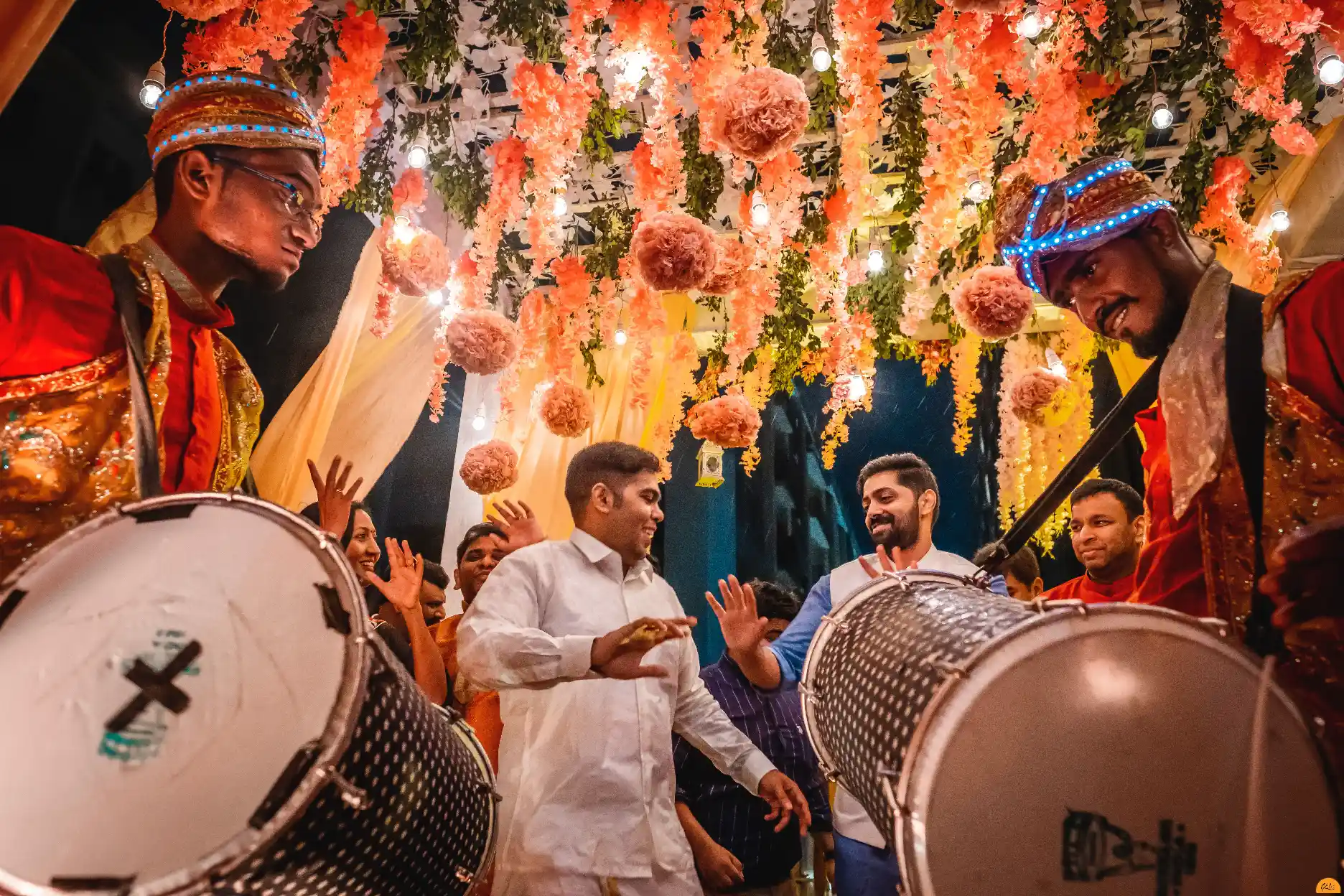
The baraat is the highest energy part of the day, and it is also where things go wrong if no one is in charge. Choose one trusted person from your side as the baraat coordinator. Plan the route, the time, the music and the permissions well ahead.
- Confirm the baraat start time and the arrival time at the venue
- Book the ghodi, ghodi handler or vintage car, and check the animal welfare of the arrangement
- Book the dhol or band and agree on timing and playlist
- Check local rules on music volume, fireworks and road use
- Arrange water, cold drinks and a quiet space for elders to rest
- Plan how the baraat will end and where the milni will take place

Start a grooming and fitness routine
You do not need a dramatic transformation. You need a simple routine you can follow for three months. A consistent plan looks better in photos than a crash diet in the final week.
- Fix a sleep schedule of 7 to 8 hours and keep to it
- Exercise 3 to 4 times a week, mixing strength work and walking or cardio
- Drink enough water and cut down on late night junk food
- Visit a dermatologist or a trusted salon if you want a skin routine, and avoid trying new products in the last two weeks
- Book a dental check up and cleaning
- Decide your haircut and beard style and test it once before the wedding
Plan the bachelor trip or party
If you want a bachelor trip, plan it for 3 to 4 weeks before the wedding, not the last week. This gives you time to recover and removes the risk of coming back with a cold, a sunburn or a missed flight. Keep it simple and safe.
2 to 1 months before the wedding: paperwork, fittings and details
Complete your legal paperwork
Marriage registration in India happens under the Hindu Marriage Act or the Special Marriage Act, depending on your situation. The Special Marriage Act has a notice period of 30 days, so check this early. The groom must be at least 21 years old. Rules and document lists differ by state, so confirm with the local sub-registrar office. If you are marrying in Goa, read the legal requirements for a wedding in Goa before you start.
Keep this document set ready, in original and as photocopies:
- Aadhaar card, PAN card and passport
- Birth certificate or school leaving certificate as age proof
- Address proof
- Passport size photographs
- Wedding invitation card or a certificate from the priest
- ID proof of two or three witnesses
- Any other document asked by your state, such as an affidavit

Do the final fittings
Try to complete your final fitting at least two weeks before the wedding. Wear the shoes you will use and sit, walk and raise your arms in the outfit. If anything is tight or itchy, fix it now. Ask the tailor to deliver the outfit 3 to 5 days early, not on the morning of the wedding.
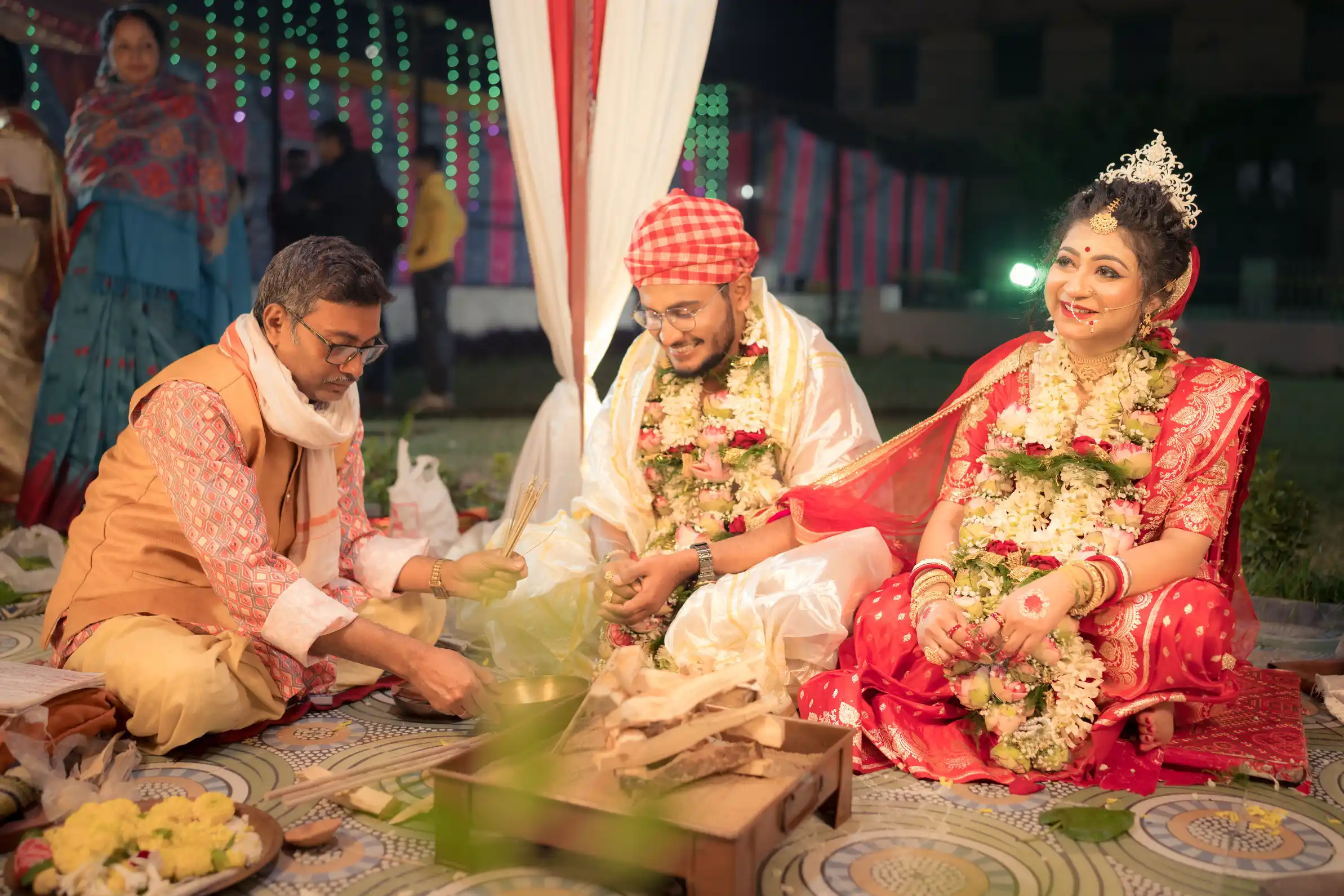
Finalise the ritual list with your pandit
Every family follows rituals differently, so ask your pandit for a clear step by step list. SShare it with your partner’s family so everyone knows the order of events. Write down what you need to carry, such as coconut, kalash items, rings or garlands, and give this list to a family member to manage.
Arrange guest stay and travel
Create a simple sheet with the names, arrival times and room allotments of your guests. Assign one cousin or friend per group of rooms, so relatives know whom to call. Share the schedule, the dress code and the contact numbers on a WhatsApp group.
Write your vows or a short speech
Even if your ceremony is traditional, many couples now say a few words at the sangeet or reception. Keep it under 3 minutes. Thank both families,say something personal about your partner, and avoid inside jokes that only your friends will understand.
Prepare a destination wedding plan if needed
If you are marrying outside your home city, add travel, weather, local permissions and guest transport to your list. Our destination wedding checklist covers these extra steps in detail.
By this stage, several tasks may be moving at the same time. Keep the downloadable checklist with you so nothing important gets missed as the wedding gets closer.
The last week: reduce risk and protect your energy
- Do a final trial of the full outfit with accessories and shoes
- Get your haircut and beard trim 3 to 5 days before, not on the last day
- Reconfirm every vendor, transport and room booking, and keep their phone numbers in one list
- Pack two bags: one for the wedding day and one for the rest of the festivities
- Keep documents, rings and cash in a small pouch with a trusted person
- Withdraw cash in small notes for shagun, vendor tips and the baraat
- Delegate tasks to specific people with names against them
- Switch work off and set an out of office reply
- Sleep early, eat home food where possible, and avoid new or very spicy foods
- Limit alcohol and late nights at the pre wedding functions
Wedding day checklist for the groom
Morning
- Wake up on time and have a proper breakfast
- Take a bath, apply your usual skincare and deodorant, and avoid trying a new perfume
- Start dressing at least 2 to 3 hours before the baraat departure
- Have your safa tied by a person who has done it before
- Before leaving the room, make sure you have your ring, handkerchief, wallet, and phone with you.
- Drink water and keep a light snack nearby
Baraat and ceremony
- Stay hydrated while dancing and take short breaks in the shade
- Keep one friend close who knows the timeline and can talk to the planner
- Greet the bride's family warmly at the milni
- Follow the pandit's instructions and ask if you are unsure
- Make time for the photographer's key shots, but do not let photos delay the muhurat
Evening and reception
- Eat something properly, since many grooms forget to eat all day
- Change into a lighter outfit if you have planned one
- Thank guests, elders and the vendors who worked on the day
- Hand over gifts, cash and valuables to a family member for safe keeping
Groom's emergency kit
Give this bag to your best man, brother or a close friend and ask him to stay with it all day.
- Safety pins, a mini sewing kit and spare buttons
- Handkerchiefs and tissues
- Deodorant, a small comb and lip balm
- Breath mints and a tiny bottle of attar or perfume
- Stain remover pen and spare socks
- Power bank and charger
- Cash in small notes
- Your regular medicines, and basic items for headache, acidity or an upset stomach
- Water bottle and an energy bar or dry fruits
Groom grooming timeline
Good grooming is mostly about starting early and keeping it simple. Here is an easy timeline you can follow.
| Time before wedding | What to do |
| 3 months | Start exercise, fix sleep, plan skin and hair routine, dental check up |
| 6 weeks | Test your haircut, beard style and any facial or skin treatment on a small scale |
| 2 weeks | Stop trying new products. Get a facial or cleanup if your skin is used to it |
| 3 to 5 days | Haircut, beard trim, manicure and pedicure |
| 1 day | Early sleep, light food, outfit and kit packed |
What to do after the wedding
- Apply for and collect the marriage certificate
- Collect all vendor invoices, final payments and any refundable deposits
- Return rented items on time
- Send a thank you message to your guests, vendors, and wedding planner after the wedding
- Update nominations for insurance, bank accounts and provident fund where needed
- Talk with your partner about shared finances and goals
- Back up wedding photos and videos in two places
7 common mistakes grooms make
1. Leaving everything to the bride and the families. This creates stress and resentment. Own your list.
2. Ordering the outfit too late. Rush work costs more and fits worse.
3. Trying new skin or hair treatments close to the date. Reactions and bad cuts are hard to fix.
4. Ignoring paperwork until the last month. Registration and notice periods take time.
5. Not having a baraat coordinator. A group of 100 people needs one clear person in charge.
6. Skipping meals and water on the day. Dancing in heavy clothes in the heat drains energy fast.
7. Not enjoying the moment. Delegate well so you can be present for your own wedding.
Final thoughts
A good groom checklist does not make you do more. It makes sure the right things happen at the right time, so the last week feels calm and not chaotic. Start early, split work clearly with your partner, delegate the day itself, and look after your sleep, food and health. When the planning is done well, you get to enjoy the one thing no checklist can do for you, which is being fully present at your own wedding.