
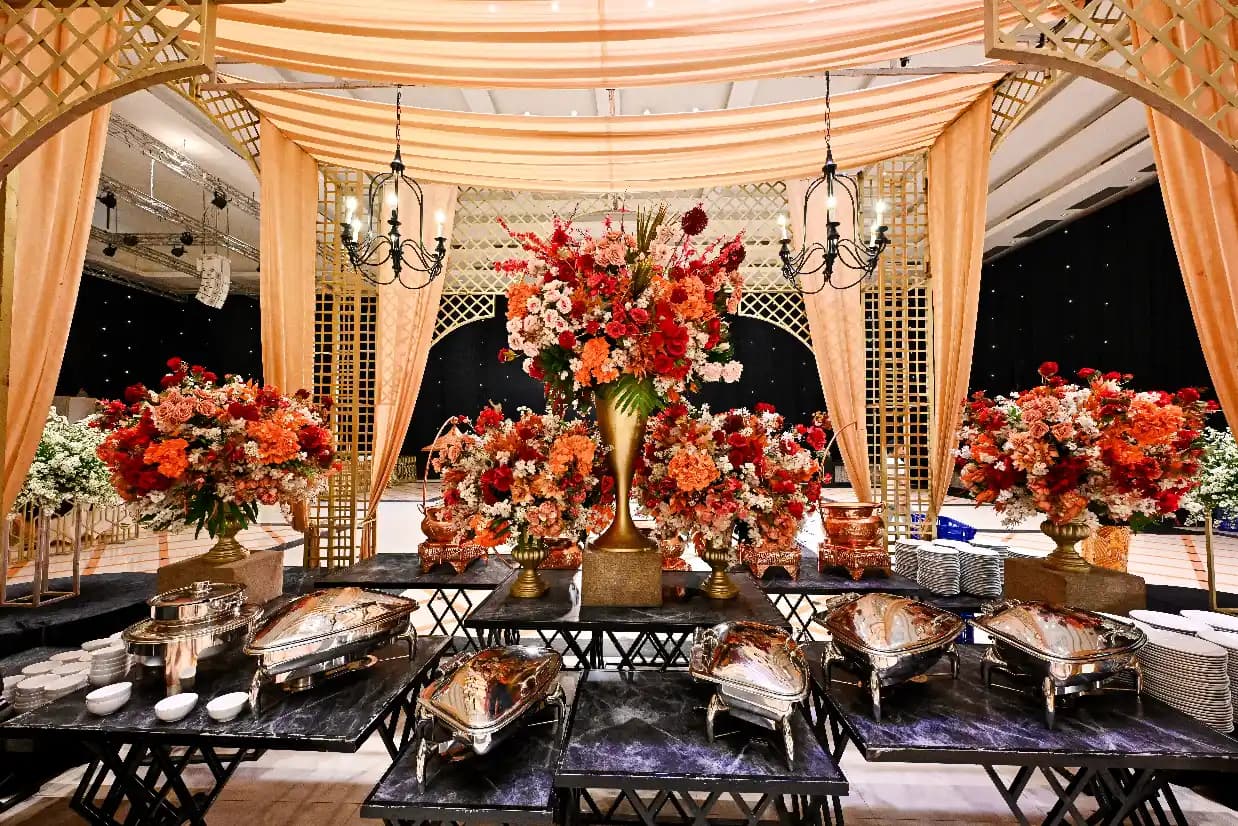
Ask any guest what they remember about a wedding and the answer is usually the food. A great meal makes people happy. A cold, late or too little meal is remembered for years.
Food is also the biggest cost at most Indian weddings. That makes catering one of the most important decisions you will take. This wedding catering checklist walks you through every step, from fixing your budget and choosing a caterer to finalising the menu, signing the contract and managing service on the day. It is written for Indian weddings, where there are many functions, many tastes and large guest lists.
Wedding Catering Checklist at a Glance
- 9 to 6 months before: Fix budget and guest range, check venue catering rules, shortlist caterers.
- 6 to 4 months before: Do tastings, compare quotes and book your caterer.
- 3 to 2 months before: Finalise menus for each function and plan special diets.
- 1 month before: Confirm staff, equipment, timings and beverage plan.
- 7 to 10 days before: Share the final headcount and the service timeline.
- Wedding day: Check food quality, service and hygiene, and assign one person to supervise.
- After the wedding: Settle the final bill, plan leftover food donation and share feedback.
If you want an easy way to keep track of the important catering details, use this free checklist while planning. It can help you review the key points before you finalise your caterer and avoid missing small but important details.

Step 1: Set Your Catering Budget First
Catering usually takes the biggest share of a wedding budget. In India, food and beverages often make up about 30 to 40 percent of the total spend, though this changes with the style of wedding. Decide your budget early, as it will help you plan the guest list, venue, and menu more easily.
Know your per plate budget
Most caterers charge per plate. Prices differ a lot by city and by menu, but as a rough guide, many standard wedding caterers charge about 500 to 1,500 rupees per plate, while premium packages with live counters and several cuisines can cross 1,500 to 2,500 rupees. Treat these as indicative ranges and always ask for written quotes for your own menu.
A simple formula helps you plan:
- Total catering budget divided by number of guests gives your budget per guest.
- Multiply the per plate price by the number of guests and functions to see your real total.
- Add 10 to 15 percent for beverages, taxes, service charge, extra guests and changes.
If you are planning a destination wedding, a detailed Goa destination wedding cost guide can help you see how food fits into the full budget.
List the functions that need food
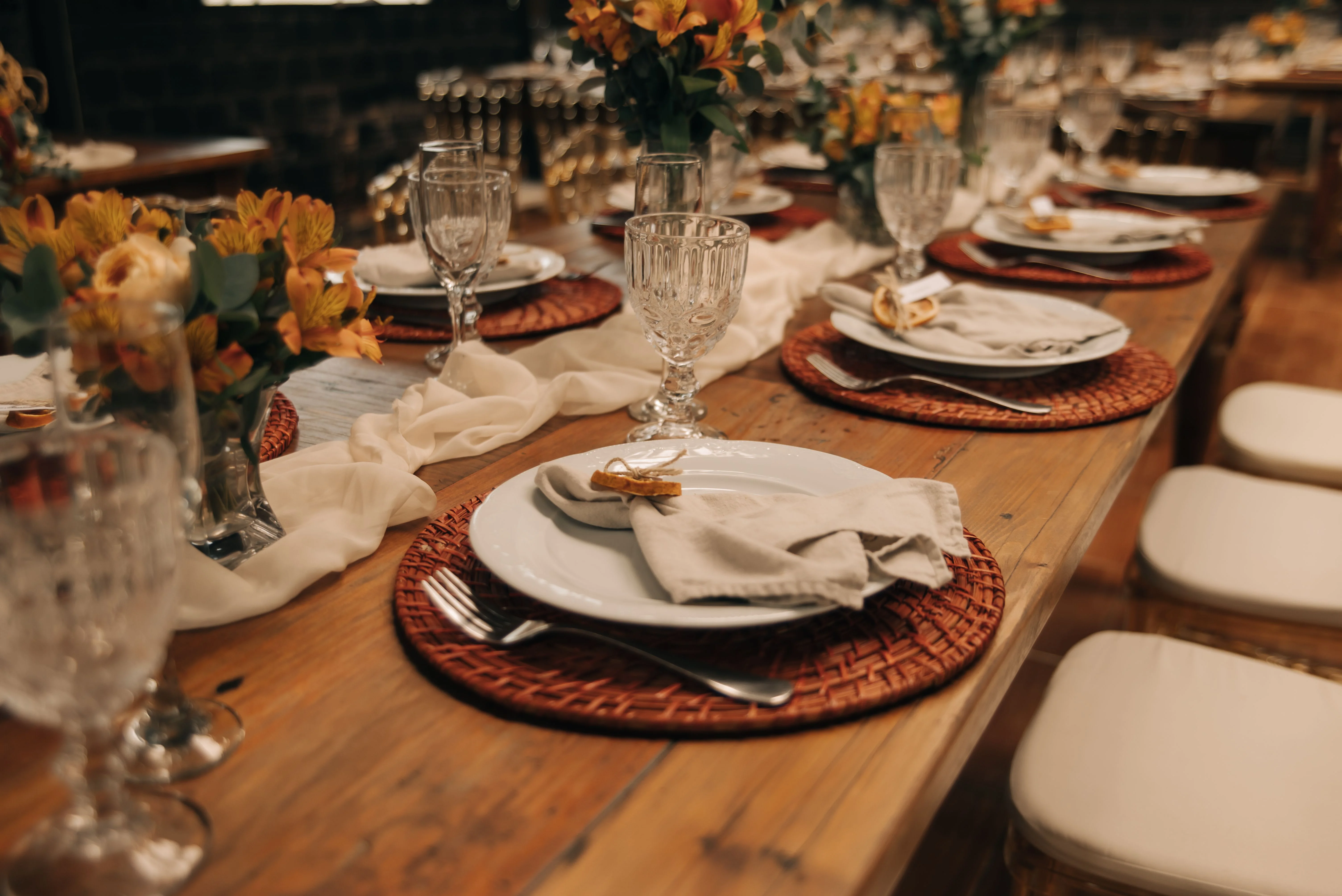
Many couples forget that every function needs a plan. Write all of them down and decide the meal type for each.
- Haldi and mehendi: Light lunch, chaat, snacks, juices and tea.
- Sangeet or cocktail night: Starters, live counters, mocktails or drinks and a full dinner.
- Wedding day: Breakfast for the family, lunch or dinner for guests, and meals for the bride and groom's side.
- Reception: Full multi cuisine buffet or plated dinner.
- Vidaai or next morning: Breakfast for close family and early travellers.
Step 2: Estimate Your Guest Count Carefully
The guest count is the base for every cost. A wrong number means either wastage or a food shortage, and both are painful.
- Prepare a confirmed list, a probable list and a wait list.
- Count children, drivers, vendors, bands and staff separately. They need meals too.
- Keep a buffer of about 5 to 10 percent above the confirmed number for walk ins and last minute additions.
- Ask your caterer how they charge for extra plates and if there is a minimum guarantee.
- Track RSVPs and update the caterer every week in the last month.

Step 3: Check the Venue's Catering Rules
Do this before contacting any caterer. Many venues, hotels and resorts have in house catering or a fixed list of approved caterers. Some allow outside caterers but charge a fee. Some venues may not have a kitchen on-site.
- Is outside catering allowed? Do you charge any extra fee for bringing your own drinks or using the kitchen?
- Is there a working kitchen, water supply, power backup and a wash area?
- Is there a place to keep raw material and cold storage?
- What are the cooking rules, such as open flame, tandoor or live grills?
- What is the latest time food can be served and music can be played?
- Who handles waste disposal and cleaning after the event?
Our wedding venue checklist has more questions to ask venues, including those about vendors, space and facilities.
Step 4: Choose the Type of Wedding Catering Service
Decide how food will be served. This affects cost, staff and the guest experience.
- Buffet: Most common in India. Cost effective for large guest lists and gives guests choice. Needs enough counters to avoid long queues.
- Plated or sit down service: A formal feel and good for smaller weddings. Needs more staff and time.
- Family style or thali: Dishes are served in the middle or in a thali. Works well for traditional meals and small to medium guest lists.
- Live counters and food stations: Chaat, dosa, pasta, grills, tandoor or dessert counters. They add fun but can raise the cost, so many couples use them for starters and desserts and keep the main course as a buffet.
- Cocktail style: Snacks and drinks served while guests stand and mingle. Good for sangeet, cocktail or reception nights.
- Mix of styles: A common choice is a buffet for the main course with a few live counters.

Step 5: Shortlist and Meet Caterers
How to find good caterers
- Ask family and friends who have recently hosted a big event.
- Ask the venue and your wedding planner for trusted names.
- Check online reviews and photos of real weddings.
- Ask caterers for references and, if possible, visit an ongoing event to see the quality yourself.
Questions to ask a wedding caterer
Keep this list handy for every meeting. It helps you compare caterers fairly.
1. Are you available on my wedding dates, and how many events do you handle that day?
2. Do you hold a valid FSSAI licence? Can I see a copy?
3. Have you worked at my venue before?
4. Can I do a tasting of my menu before I book?
5. What is the per plate price, and what does it include?
6. What is the minimum guest count, and what happens if my numbers go down?
7. How do you charge for extra plates?
8. How many chefs, cooks and servers will work at my wedding?
9. Do you bring crockery, cutlery, chafing dishes, counters and tables, or do I need to rent them?
10. Do you manage live counters and the equipment needed for them?
11. Can you handle Jain, vegan, gluten free and other special diets safely?
12. Where will the food be cooked, at the venue or at a central kitchen, and how will it be transported?
13. What time will your team arrive for set up?
14. Will you provide meals for photographers, musicians, drivers and other vendors?
15. What is your payment schedule and cancellation policy?
16. Can you share a written quote with every item listed?
There can be a lot to remember when speaking with different caterers. Keep this checklist with you during your meetings so you can compare their answers, pricing and services more easily before making a final decision.
Why the FSSAI licence matters
In India, food businesses need to be registered or licensed under FSSAI. Asking to see the licence is a basic check for food safety and legal compliance. Also check the caterer's hygiene practices, such as clean uniforms, covered food, clean water and safe storage.
Step 6: Do a Menu Tasting
A tasting is the best way to judge a caterer. Do not skip it.
- Attend with your partner and one or two family members who will give honest feedback.
- Taste the exact dishes you plan to serve, not only the caterer's best items.
- Check taste, spice level, freshness, portion size and presentation.
- Ask how the dish will taste after being served from a chafing dish for an hour. Some items hold well and some do not.
- Write notes on each dish immediately after tasting.
- If possible, schedule the tasting around the season of your wedding, because ingredients and menus change.
- Ask about the number of tastings included and the cost of extra ones.

Step 7: Plan the Wedding Menu
A good menu is balanced, easy to eat in a crowd and suits the season and your guests. More dishes do not always mean a better menu. A smaller menu done well beats a long list done badly.
Menu planning checklist
- Welcome drinks: A cold drink or mocktail in summer, a warm drink or soup in winter.
- Starters: Two or three veg and two or three non veg options, plus a live counter if budget allows.
- Main course: A couple of vegetables, paneer or a protein dish, dal, rice or biryani, and an assortment of breads.
- Regional dishes: Include a few dishes from both families' food traditions.
- Salads, raita and accompaniments: Light items that balance heavy dishes.
- Desserts: A mix of Indian sweets and one or two modern desserts, including at least one option that is not too heavy.
- Beverages: Water, soft drinks, juices, tea and coffee, and alcohol if it is part of your plan.
- Kids' options: Simple dishes such as pasta, fries or plain rice.
- Late night snacks: Something light such as sandwiches, tea or hot jalebi for post party hunger.

Cover every dietary need
Guests come with different food needs. Ask in your invitation or RSVP, so that your caterer can plan in advance.
- Vegetarian and non vegetarian: Keep separate counters, serving spoons and clear labels. Many families prefer fully separate zones.
- Jain food: Usually cooked without onion, garlic and root vegetables. Ask for a separate area or a separate counter.
- Vegan and gluten free: Mark dishes clearly and ask the caterer how they avoid cross contact.
- Allergies: Nuts, dairy, gluten and seafood are common. Ask the caterer to label ingredients.
- Diabetic and elderly guests: Offer low sugar options, soft food and mild spice.
- Religious and community needs: Halal food, no beef or pork, fasting days or special customs. Confirm these with family elders and the caterer.
- Children: Offer simple, mild dishes and a few desserts they enjoy.
Choose a menu to suit the season
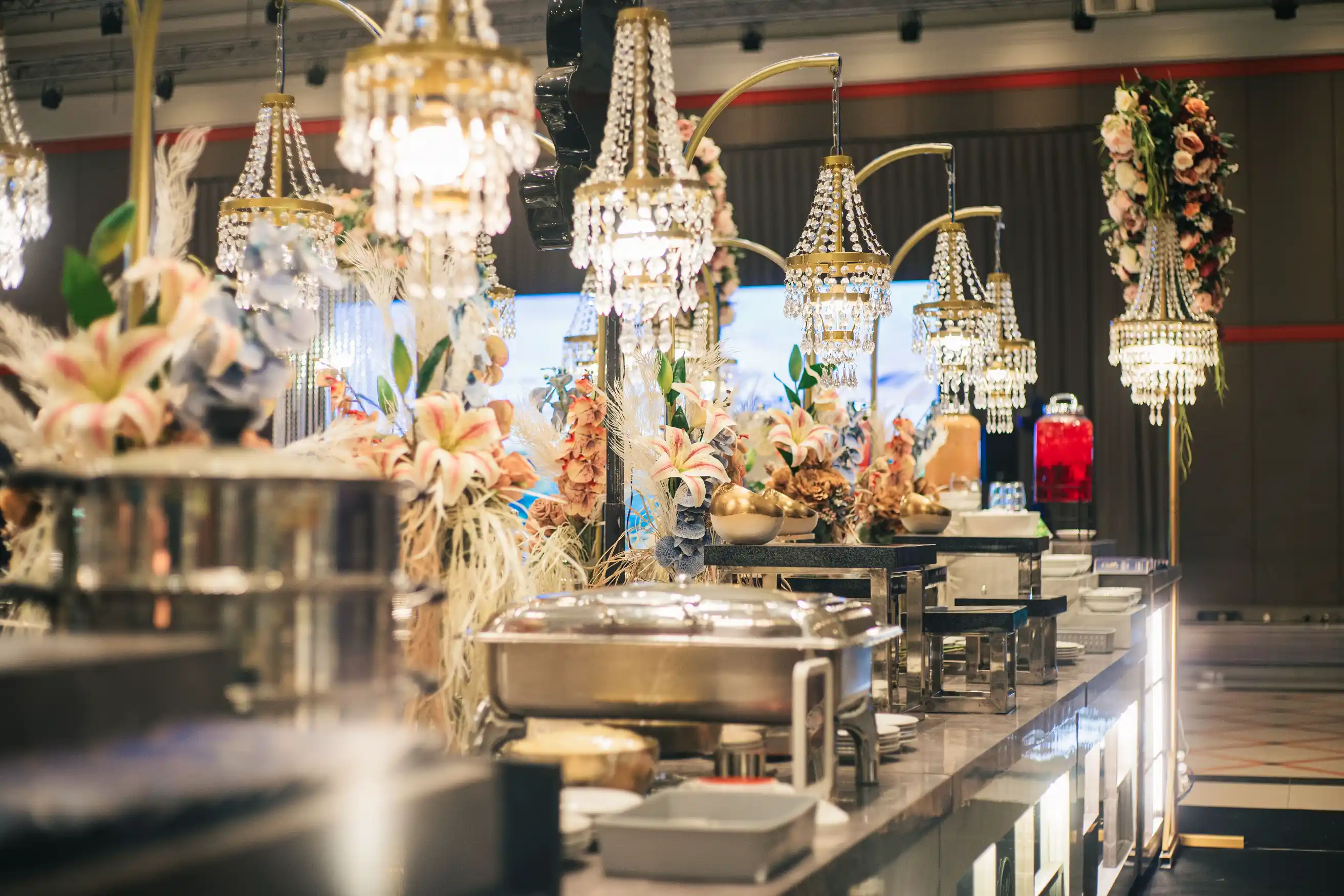
- Summer: Cool drinks, chaat, salads, kulfi, fruit counters and lighter main dishes.
- Winter: Hot soups, tandoori items, gajar ka halwa, hot chocolate and warm drinks.
- Monsoon: Hot snacks, tea and coffee. Keep indoor seating ready in case of rain.
Step 8: Plan the Beverages and Bar
- Decide if you will serve only non alcoholic drinks or also alcohol.
- If you serve alcohol, check the state rules and permits. They differ across states, and a licensed bartender or caterer should help you with this.
- Include water stations, soft drinks, fresh juices, mocktails, tea and coffee.
- Plan ice, glassware and cooling space. Cold drinks run out fast in summer.
- Arrange a safe plan for guests who drink, such as cab services or a driver list.

Step 9: Check Equipment, Staff and Logistics
Many catering problems come from poor planning of space, staff and supplies, not from the food itself.
Staff and service
- Ask how many servers will handle the buffet, the starters and the live counters. As a rough guide, larger guest lists need more servers per guest than small ones, so ask your caterer how they decide staff numbers.
- Confirm that staff will wear clean uniforms, gloves and hair caps where needed.
- Check that there is a supervisor who will stay on site and answer to you or your planner.
- Plan staff meals and rest areas.
Equipment and setup
- Crockery, cutlery, glasses, napkins and serving spoons in the right number
- Buffet counters, tables, chafing dishes and warmers
- Live counter equipment, tandoors, tawas and gas connections
- Tents, fans, coolers or heaters for guest comfort
- Tables and chairs for seating, with enough space for movement
- Power backup for kitchen and cold storage
- Clean drinking water supply
- Waste bins and a plan for disposal
Food safety checks
- Hot dishes should stay hot and cold dishes should stay cold during service. Ask your caterer how they manage it.
- Food should not stay out for long hours, especially in warm weather.
- Keep raw food and cooked food stored separately
- Dairy based sweets and cream desserts need cold storage.
- Use clean, safe water for cooking, ice and drinks.
Step 10: Understand the Catering Contract
Never depend on a verbal promise or a chat message. A written agreement protects you and the caterer. Make sure it includes:
- Names and contact details of both parties
- Dates, venues and timings of each function
- Final menu for each function, with every dish listed
- Per plate rate, minimum guest count and rate for extra plates
- Taxes, service charges and other fees
- What is included, such as crockery, tables, counters, staff and uniforms
- What is not included, such as rentals, bar, special equipment or travel
- Staff numbers and set up and clean up timings
- Payment schedule and advance amount
- Cancellation, change and refund terms
- Backup plan if a chef or key staff member is not available
- Clause on food safety, licence copy and insurance, if relevant
- Meals for vendors, drivers and the wedding team
- Handling of leftover food
Wedding Catering Cost: How to Save Without Hurting Quality
- Trim the guest list: This is the strongest way to cut food cost.
- Choose a focused menu: Quality over quantity. Too many dishes raise the cost and increase wastage.
- Use live counters wisely: Pick two or three that guests really love, instead of eight.
- Match menu to season: Seasonal ingredients are cheaper and taste better.
- Compare at least three quotes: Use the same menu and guest count in each quote.
- Choose a weekday or off peak date: Some caterers offer lower rates outside peak wedding days.
- Negotiate smartly: Ask for a better rate by confirming more functions with the same caterer.
- Set a clear extra plate policy: It prevents surprise charges.
- Watch hidden costs: Check for charges on crockery, staff, tax, service, transport, gas and extra hours.
Plan to Reduce Food Wastage
Large weddings often end with a lot of unused food. A few steps can reduce waste and also save money.
- Ask the caterer to refill counters in small batches rather than filling everything at once.
- Avoid ordering too many similar dishes.
- Confirm the headcount close to the event.
- Pack fresh, untouched leftover food in clean containers and give it to a trusted NGO or food donation group, after checking food safety rules.
- Plan this in advance with your caterer, since the food must be handled and stored properly to be safe.
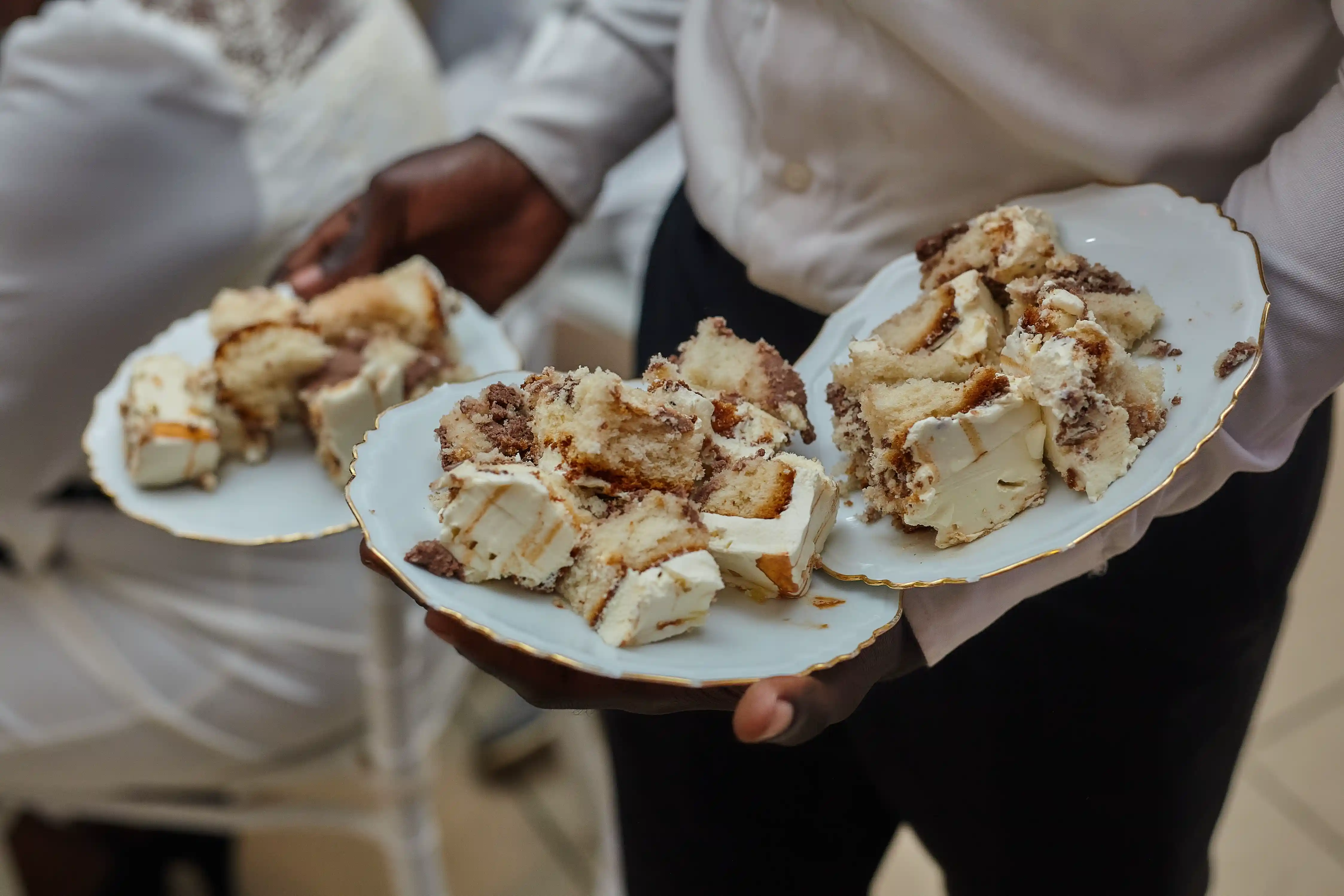
Wedding Day Catering Checklist
Here is what to check on the day. Share this list with your planner or a trusted family member so that you can enjoy your wedding.
- Caterer's team arrives on time and set up is complete before guests arrive.
- Menu cards or labels are placed on every counter, with veg and non veg marked clearly.
- Food is hot, fresh and tasted by a family member or planner before service.
- Special diet and Jain counters are ready and separate.
- Water, cutlery, napkins and plates are enough at every counter.
- Elders, children and the bride and groom's families are served first and comfortably.
- Vendors, photographers, drivers and staff get meals at a suitable time.
- The bride and groom can take a few quiet minutes to sit down and enjoy their meal. Many couples forget to eat, so keep a plate ready for them.
- Washrooms, hand wash areas and waste bins are clean.
- Leftover food is packed and handled as planned.
Sample Catering Timeline for the Wedding Day
- 6:00 am: Caterer's team arrives, kitchen set up starts.
- 8:00 am: Breakfast served to the family and bridal party.
- 11:00 am: Main kitchen prepares lunch, counters are set.
- 12:30 pm: Welcome drinks and starters as guests arrive.
- 1:00 pm: Lunch buffet opens, elders and families served first.
- 3:00 pm: Tea, coffee and desserts.
- 4:00 pm: Clean up, leftover packing and vendor meals.
For an evening wedding, shift this plan by a few hours. Always plan guest meals so that they are not too late, because hungry guests get unhappy quickly.
Catering for a Destination Wedding
Destination weddings need extra planning for food. Ingredients, local rules, travel time for the caterer and guest tastes may be different from your home city. Decide early whether you will use the venue's caterer or bring your own team, and check how food will reach different function spots. Our destination wedding checklist covers other tasks you should plan alongside food.
- Ask for a tasting by video or by a planner if you cannot visit.
- Plan menus that include local dishes along with familiar favourites.
- Confirm food for early arrivals, late check ins and next morning departures.
- Keep extra time for transport of food to outdoor venues.
A local wedding planner in Goa can negotiate with caterers, handle tastings and supervise service on the day, which is very helpful when you are not in the city.
After the Wedding: Catering Wrap Up Checklist
- Compare the final bill with the contract, line by line.
- Settle the balance payment and keep receipts.
- Return rented items and check for damage charges.
- Share honest feedback and, if you are happy, a review for the caterer.
- Thank the kitchen and service team. A small tip is a nice gesture.
Common Wedding Catering Mistakes to Avoid
1. Booking a caterer before checking venue rules: Some venues do not allow outside caterers.
2. Skipping the tasting: A good sample dish does not guarantee good food at scale.
3. Choosing too many dishes: A long menu can slow down service, lead to more food waste, and affect food quality.
4. Forgetting special diets: Jain, vegan and allergy needs must be planned in advance.
5. Not planning for vendor and staff meals: Hungry teams slow down the event.
6. Ignoring the headcount until the last day: Confirm numbers a week early.
7. No written contract: Everything must be written, including extra plate rates.
8. Too few counters: Long queues spoil the mood. Ask your caterer how many counters you need.
9. Forgetting hygiene checks: Always check the licence, storage and serving practices.
10. Leaving the couple unfed: Keep time and a plate aside for yourselves.
Final Thoughts
Good wedding catering comes down to early planning, honest budgeting and clear communication. Book your caterer in time, taste before you decide, put everything in writing and keep a close eye on the headcount. If you do these things, your guests will enjoy a warm, tasty and well served meal, and you will have one less thing to worry about.
Save this wedding catering checklist, share it with your family and tick off each step as you go. If you want expert help with vendors, venues and the full wedding plan, you can get in touch with the WedMyDay team.