The wedding day goes by quickly, but the photos help you hold on to those memories for years. Many couples hire a photographer in a hurry, skip the shot list and only discover problems when the album arrives.
This wedding photography checklist will help you avoid that. You will learn how to choose the right photographer, what to put in the contract, which shots to ask for, how to plan family photos, and how to make the day smooth for everyone. Use it from the start of your wedding planning until you finally receive your wedding album.
Wedding Photography Checklist at a Glance
- 10 to 12 months before: Set budget, decide style, shortlist and book your photographer.
- 6 to 9 months before: Plan the pre wedding shoot and share your event list.
- 3 to 5 months before: Visit venues with your photographer and finalise the shot list.
- 1 to 2 months before: Prepare the family photo list and the day timeline.
- 1 week before: Confirm the team, call times, equipment and backup plan.
- Wedding day: Keep a buffer for photos and assign one person to gather family.
- After the wedding: Back up files, review the gallery and approve the album.
Step 1: Decide What You Want From Your Wedding Photos
Before you speak to any photographer, spend an evening with your partner and answer a few simple questions. This saves time and helps you compare quotes fairly.
Choose your photography style
Most wedding photographers usually focus on one or two main photography styles. Look at full albums, not only highlight reels, to see which one you love.
- Traditional: Posed, clean and formal portraits, great for family records.
- Candid: Natural moments, emotions and reactions, captured without posing.
- Cinematic: Story style frames with dramatic light and mood.
- Fine art: Soft, bright and artistic images with careful editing.
- Documentary: A full record of the day as it happens, with little interference.
Most couples do best with a mix of candid and traditional, so that they get both emotion and the formal family photos.
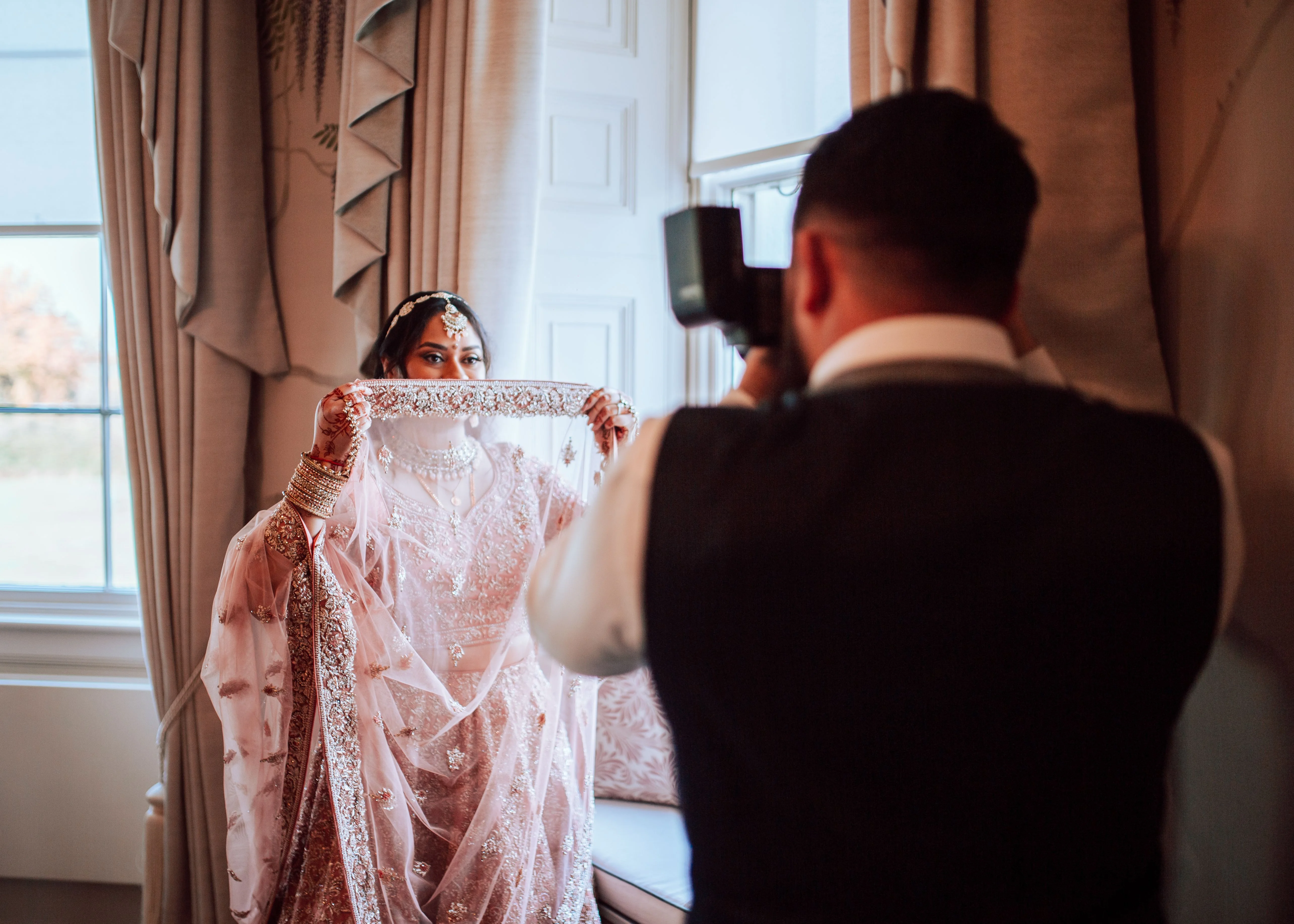
List all the events you want covered
Indian weddings often run for several days. Write down every function so that your photographer can quote correctly. A typical list includes:
- Engagement or roka
- Pre wedding shoot
- Mehendi and haldi
- Sangeet
- Baraat or groom's entry
- Wedding ceremony, such as pheras, church service or nikah
- Vidaai or bride's farewell
- Reception
Set a realistic budget
As a thumb rule, many couples keep 8 to 12 percent of the total wedding budget for photography and videography. Prices differ a lot by city, experience and team size, so always compare the full package and not only the final price.
Step 2: Shortlist and Book the Right Photographer
Where to find good photographers
- Recommendations from friends and family who married recently
- Your wedding planner or venue
- Instagram and portfolio websites, with real wedding galleries
- Verified reviews on Google and wedding platforms
Looking at actual wedding stories helps you judge how a photographer handles real events. You can browse a few real weddings to get a feel for the kind of coverage and storytelling you like.
How to review a portfolio
- Ask for one or two complete wedding galleries, not only the best twenty photos.
- Check photos taken in low light, such as sangeet and reception.
- Look for sharp focus, natural skin tones and clean edits.
- See if family photos and candid photos are both handled well.
- Check whether their photography style stays consistent across different weddings.
Questions to ask your wedding photographer
Take this list to your first meeting. This will quickly help you see which photographers are truly professional.
1. Are you available on my wedding dates?
2. Will you personally shoot my wedding, or will someone else?
3. How many photographers and assistants will be on my team?
4. How many hours of coverage are included, and what are overtime charges?
5. How many edited photos will I get, and in what format?
6. Do I get all the raw or unedited photos?
7. How long will it take to deliver sneak peeks, the full gallery and the album?
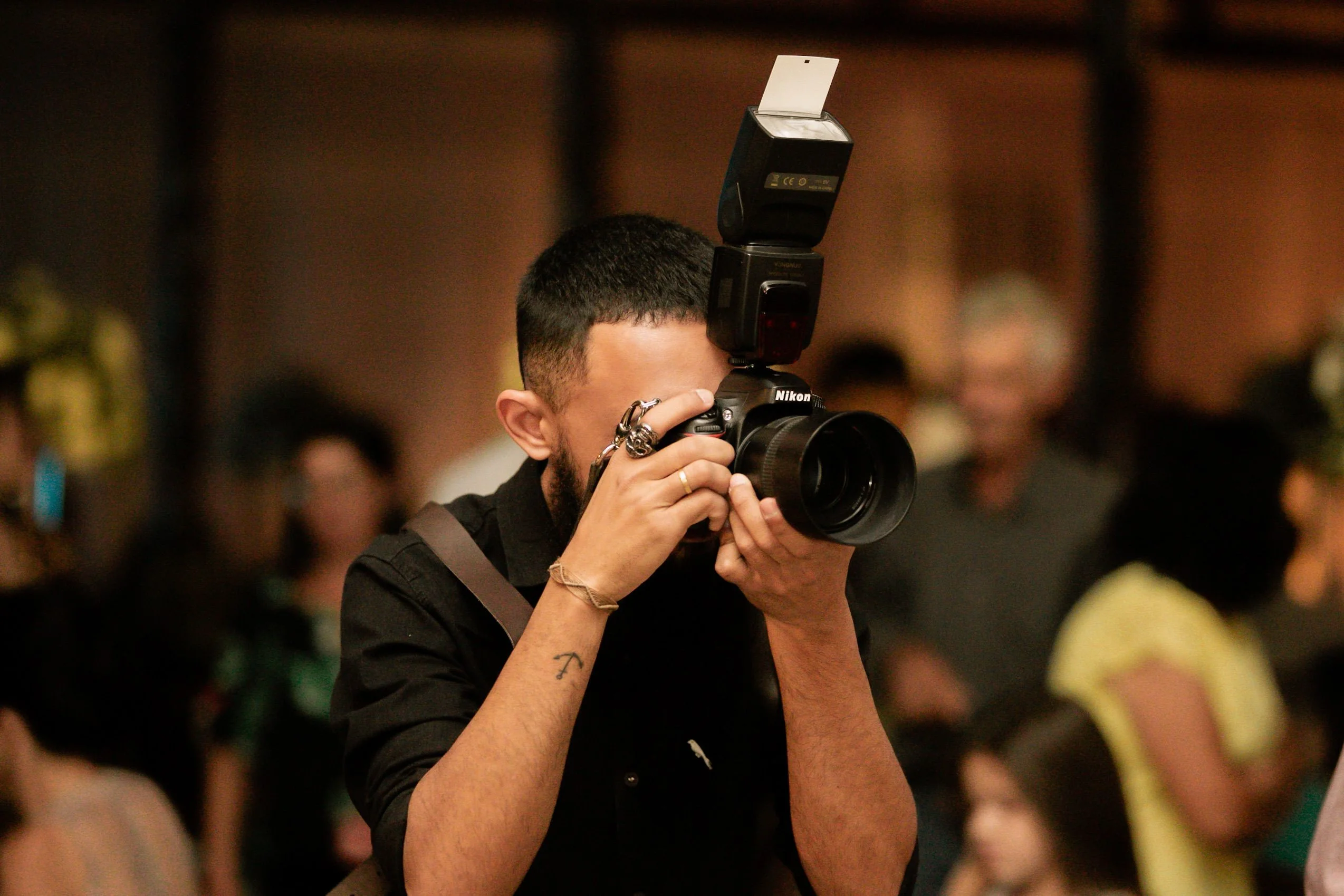
8. What equipment do you use, and do you carry backups?
9. What is your backup plan if you fall ill or have an emergency?
10. How do you store my photos, and for how long?
11. Can you travel for destination weddings, and who pays for travel and stay?
12. Do you have experience with my kind of ceremony and customs?
13. Can I see your contract and payment schedule before I decide?
What to include in the photography contract
Do not depend only on a phone call or chat. A written agreement makes everything clear for both sides. It should list:
- Wedding dates, timings and venues
- Names of the lead photographer and the team
- Total hours and the events covered
- Number of edited photos, albums, prints and other deliverables
- Total cost, advance amount and payment dates
- Delivery timeline for sneak peeks, gallery and albums
- Travel, stay and food arrangements for the team
- Overtime charges
- Copyright and usage rights, including if the photographer can post your photos online
- Cancellation and refund policy
- Backup photographer clause
Step 3: Plan the Pre Wedding Shoot
A pre wedding shoot helps you feel comfortable in front of the camera. It also gives you a chance to see how your photographer works before the big day.
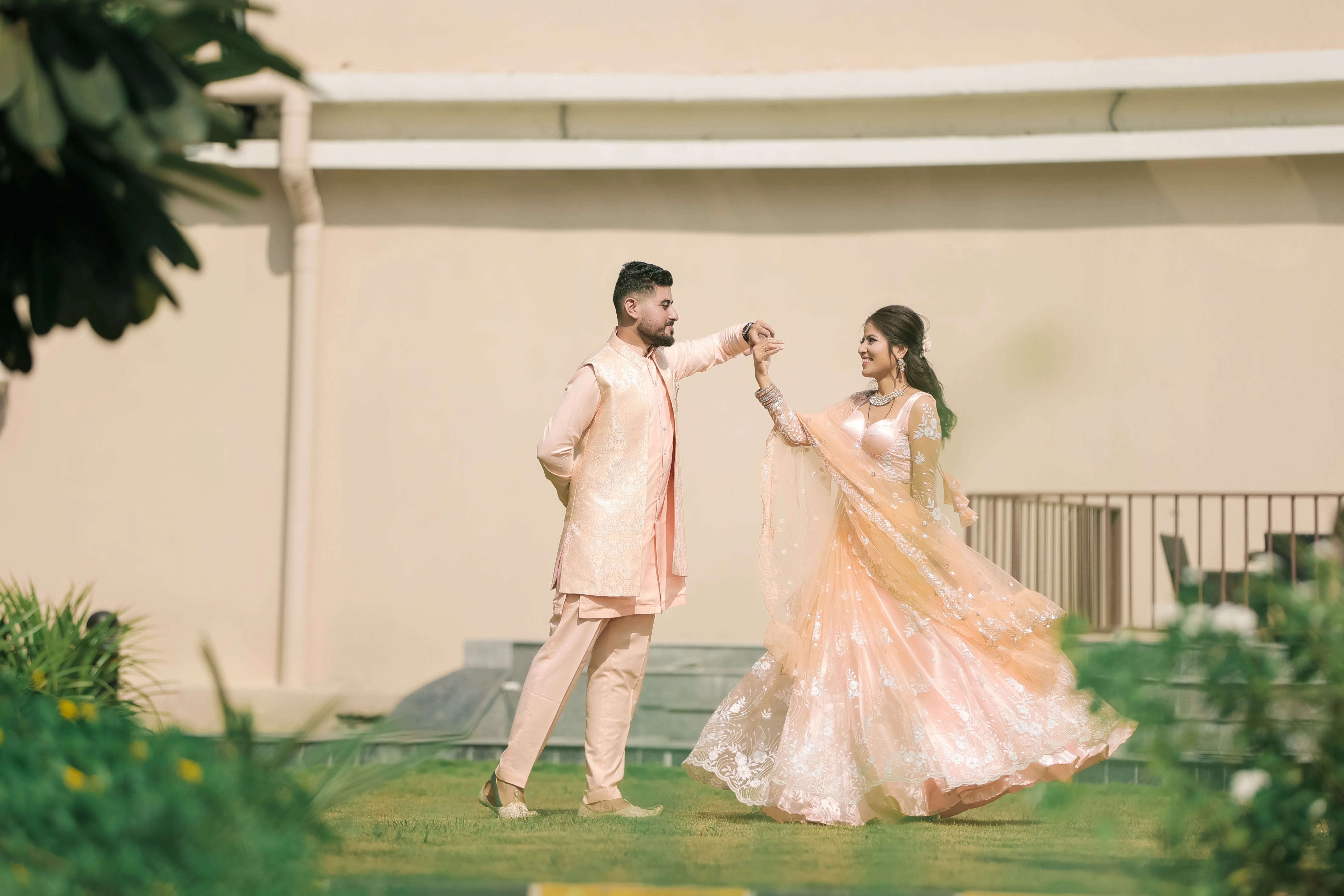
- Pick a location that matches your story, such as a garden, a heritage site, a beach or a favourite cafe.
- Choose a time with soft light, usually early morning or an hour before sunset.
- Plan two or three outfit changes, not ten. Too many changes tire you and the photographer.
- Check permissions, entry fees and rules for drones or props at the location.
- Carry water, snacks, a touch up kit and comfortable footwear.
If you are planning a beach shoot or ceremony, these beach wedding tips can help you manage the light, wind, and timing more easily.
Step 4: Visit the Venue With Your Photographer
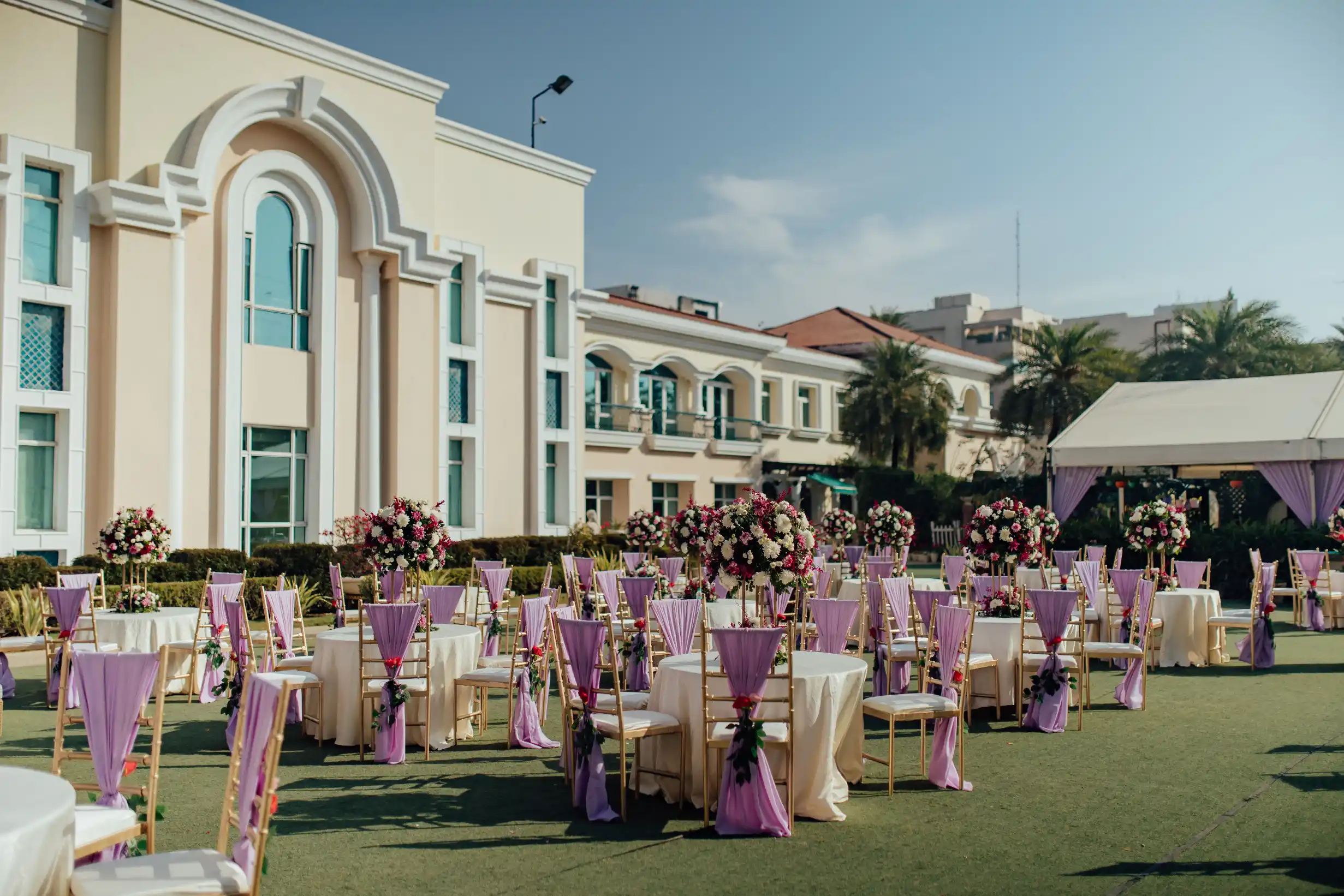
A venue visit is one of the most skipped steps, and one of the most useful. Good light and clean backgrounds make a big difference to your final photos.
- Walk through the ceremony area, reception hall, bridal room and entry points.
- Check where the sun will be during the ceremony so you can plan the setup and photos better.
- Look for natural light, shaded areas and clean backgrounds for portraits.
- Ask about decor and lighting plans so that the lights do not hide the couple.
- Plan the photographer's position during the ceremony.
- Check for any rules on flash, drones, tripods or video lights.
If you are still choosing a venue, a good wedding venue checklist can help you compare lighting, space and photo friendly spots before you book.
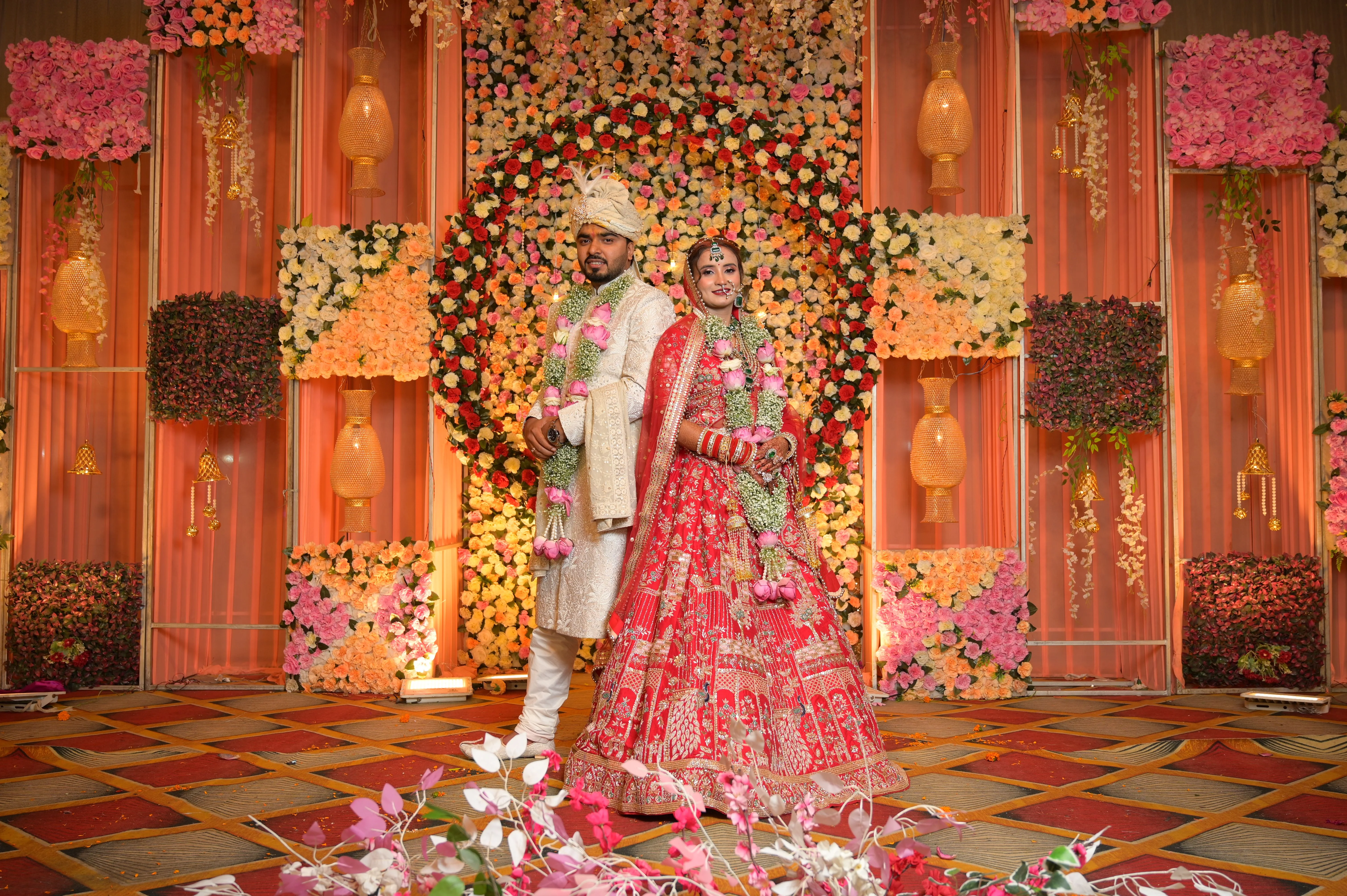
Step 5: Build Your Wedding Photography Shot List
A shot list is simply a list of important photos you want your photographer to capture. It does not limit their creativity. It just helps make sure no special moment or person is missed. Keep the list simple and share it at least two weeks before the wedding.
Getting ready shots
- Wedding outfits, jewellery, shoes and accessories
- Invitation card, rings and other details
- Bride getting her makeup and hair done
- Groom getting dressed with friends and family
- Parents helping with last touches, like the necklace or turban
- Emotional moments such as a note, a hug or a blessing
- A special moment when the bride and groom see each other before the ceremony.
Pre wedding function shots
- Mehendi: Close up of the design, the bride's hands, mehendi artists and family fun
- Haldi: Candid colour moments, family blessings and playful photos with friends
- Sangeet: Dance performances, speeches, full-stage photos, candid moments, and couple portraits
Ceremony shots
- Venue wide shot and decor before guests arrive
- Guests arriving and seated
- Groom's entry or baraat and the welcome
- Bride's entry
- Exchange of garlands, rings or vows
- Main rituals and important moments, such as pheras or the blessing
- Parents and elders reacting
- Signing of the register or marriage certificate
- The first kiss or the moment you are officially pronounced married, if it is part of your ceremony
- Exit, confetti or flower shower
- Vidaai or the bride's farewell
Couple portraits
- Walking together, holding hands and laughing
- Close portraits with eye contact
- Full length photos that show the outfit and the surroundings
- Detail shots of hands, rings, mehendi and jewellery
- Golden hour portraits, if the schedule allows
- A few fun and silly shots, so that the photos feel like you
Reception shots
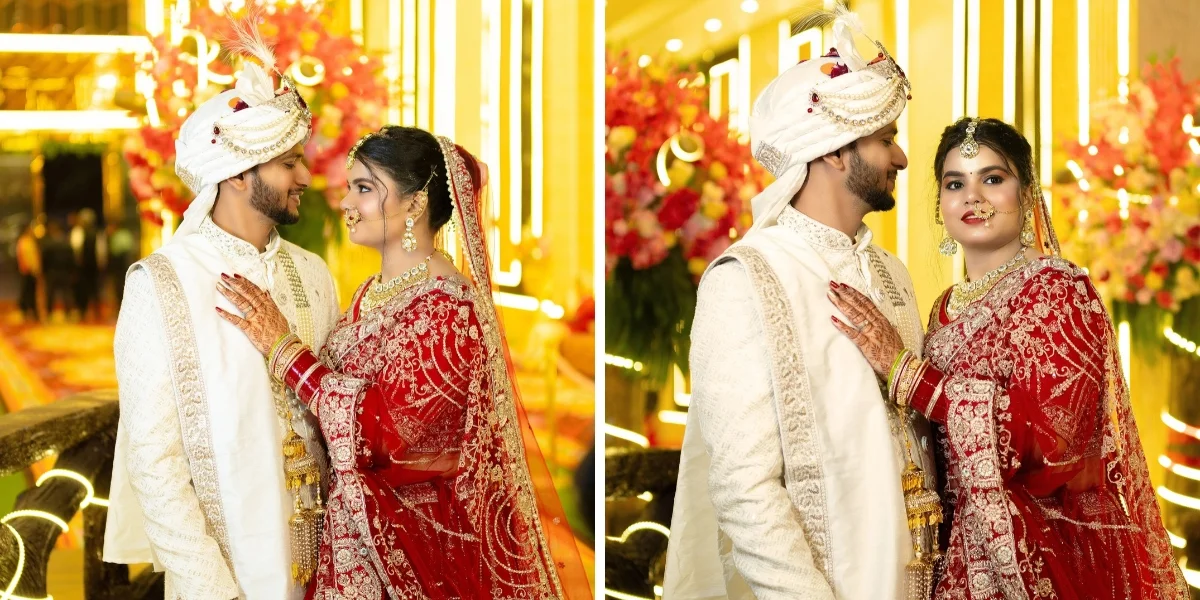
- Entry of the couple
- Cake cutting and first dance
- Toasts, speeches and family reactions
- Couple on stage with friends and relatives
- Food, decor, cake and table details
- Dance floor candids
- The farewell moment
Step 6: Create a Family Photo List
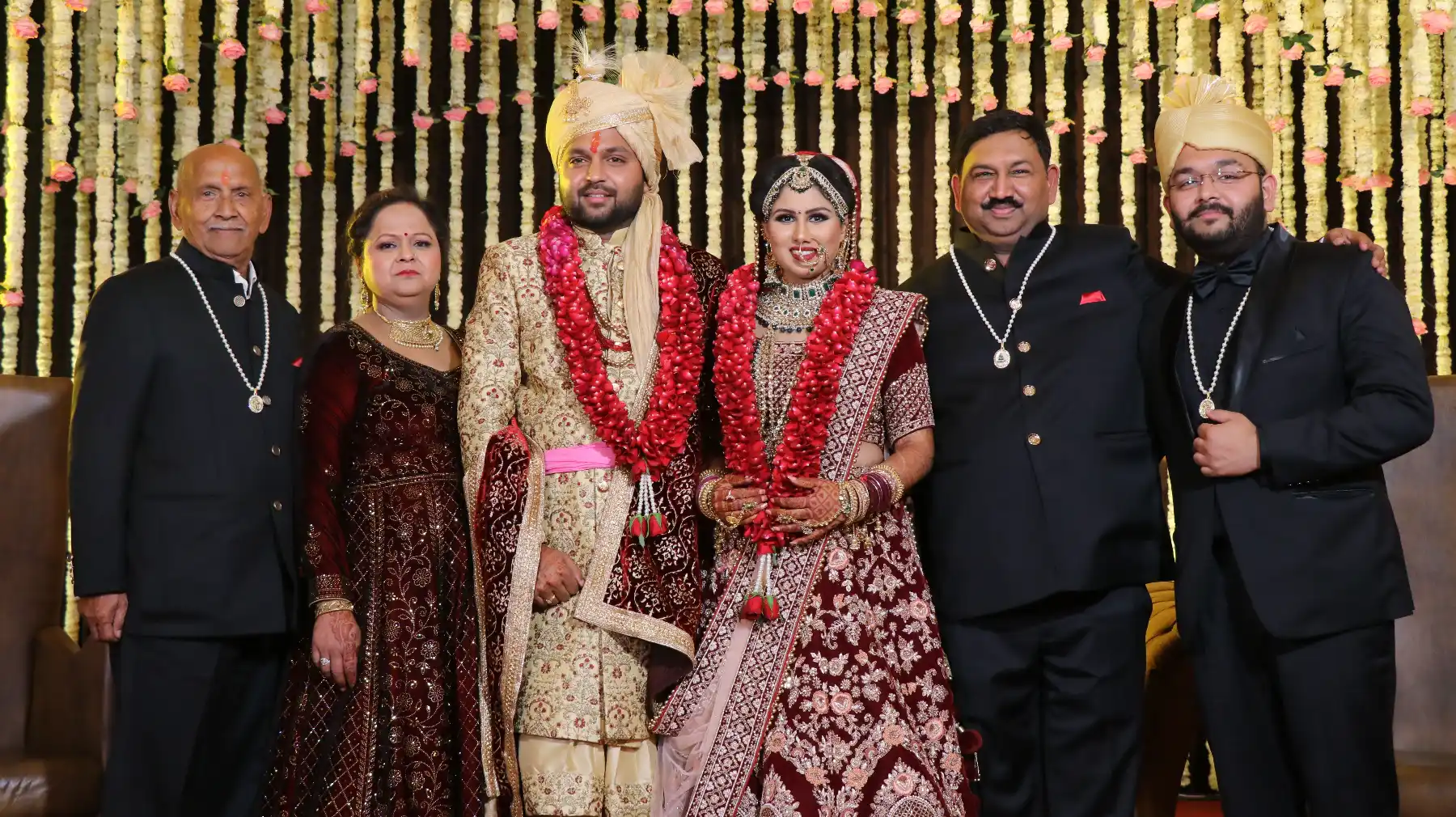
Family photos are among the most treasured pictures from any wedding, yet they often cause the most stress. People wander off, children get tired and time runs out. A little planning solves this.
How to plan family group photos
1. Write down 10 to 15 combinations in the order you want them taken.
2. Start with the biggest groups, then move to smaller ones. This lets people leave early.
3. Share the list with your photographer and one family member who can help identify everyone.
4. Ask that person to call the people for each photo.
5. Take family photos right after the ceremony, when everyone is already dressed and present.
6. Keep 30 to 45 minutes for the full family session.
Sample family photo list
- Couple with both sets of parents
- Couple with bride's parents and siblings
- Couple with groom's parents and siblings
- Couple with grandparents
- Couple with bride's extended family
- Couple with groom's extended family
- Couple with uncles and aunts
- Couple with cousins
- Couple with best friends and the wedding party
- Couple with college or work friends
- Bride with her siblings and bridesmaids
- Groom with his siblings and groomsmen
Do not forget elders who may not be able to stay for long. Take their photos first.
Step 7: Make a Wedding Day Photography Timeline
Photographers need time to do a good job. A timeline that leaves space for portraits, family photos and travel between locations makes your day calmer and your photos better.
Sample timeline for a day wedding
- 7:00 am: Photographer arrives, details and getting ready shots begin
- 9:00 am: Bride and groom portraits or first look
- 10:00 am: Family arrives, final preparations
- 11:00 am: Ceremony begins
- 12:30 pm: Ceremony ends, confetti and exit shots
- 12:45 pm: Family photos
- 1:30 pm: Lunch and quiet break for the couple
- 3:00 pm: Couple portraits in soft light
- 5:00 pm: Reception or send off coverage
Timeline tips
- Add a buffer of 15 to 30 minutes between big events. Weddings rarely run on time.
- Plan portraits in the best available light, ideally the first hour after sunrise or the hour before sunset.
- Give your photographer a meal break so that they stay fresh.
- Share the final schedule with the decorator, planner, makeup artist and family.
- Do not plan portraits during heavy rituals or when guests are waiting.
Step 8: Photography Permissions, Rules and Logistics
A few small checks in advance can save you from awkward moments on the wedding day.
- Venue rules: Ask if the venue charges any fee for external photographers or has limits on the team size.
- Religious places: Temples, gurdwaras, churches and mosques often have their own rules about flash, drones and standing positions. Take permission from the priest, pastor or committee in advance.
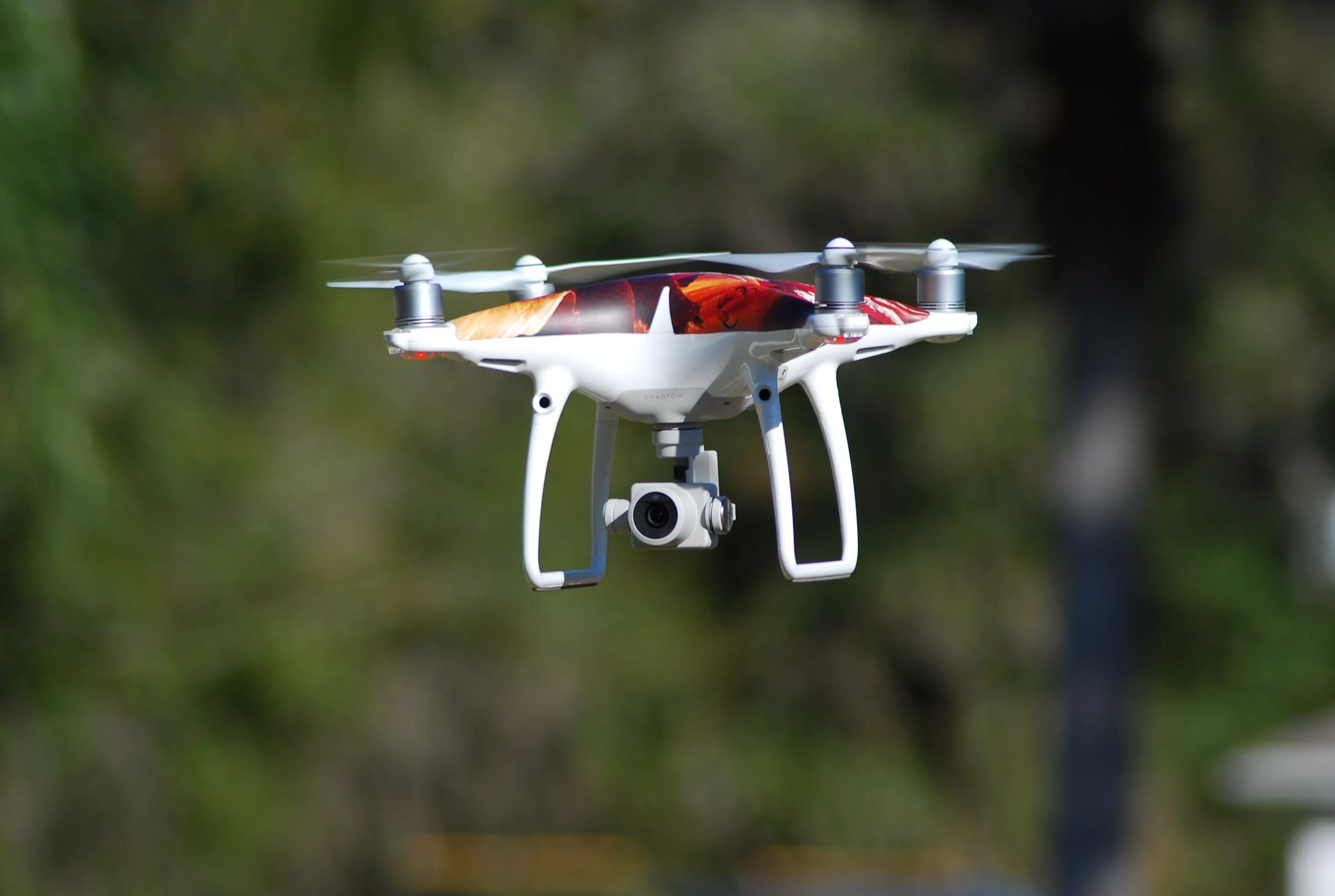
- Drones: Drone use in India needs compliance with local rules, and many venues do not allow them. Confirm with your photographer and the venue.
- Travel and stay: For destination weddings, agree on who covers tickets, local transport, rooms and meals for the team.
- Power and storage: Make sure the photographer has charging points and a safe place to keep equipment.
- Entry passes: Give the team valid passes so that security does not stop them.
Step 9: Backup Plans for Photographers and Photos
Wedding photos cannot be repeated, so backups matter. Check these points with your photographer:
- Cameras with dual memory card slots, which save each photo twice
- Extra batteries, lenses, flashes and memory cards
- A second shooter or a backup photographer on call
- Same day backup of photos to a laptop or hard drive
- Another copy stored in cloud or on a second drive after the wedding
Wedding Day Photography Checklist for the Couple
Here is what you can do on the day to help your photographer get the best results.
- Eat a proper breakfast so that you look and feel fresh in photos.
- Keep rings, jewellery, invitations, shoes and other detail items ready in one place.
- Be ready on time, since late makeup is a common reason for rushed photos.
- Keep your phones away during portraits, so that you stay present.
- Nominate one trusted friend or relative as the photography coordinator.
- Tell your photographer about any sensitive family matters or people you do not want to be photographed together.
- Carry a small emergency kit with safety pins, tissues, oil blotting sheets, a comb and a lip balm.
- Trust your photographer and enjoy the moment.
Wedding Photography Tips for Better Photos
Tips for the couple
- Practise a few poses at the pre wedding shoot, so you feel natural on the day.
- Choose outfits that suit your skin tone and the venue colours.
- Avoid trying a new makeup look or hairstyle for the first time on the wedding day. Do a trial.
- Walk slowly and take your time during portraits. Rushed photos look stiff.
- Laugh, talk and whisper. Real expressions look better than forced smiles.
Tips for guests and family
- Ask guests to avoid blocking the aisle or the photographer with phones.
- Consider an unplugged ceremony, where guests keep phones away for the main rituals.
- Request elders to stay near the front for key moments, so that they appear in photos.
Tips for decor and lighting
- Keep the stage and mandap light even and warm. Harsh coloured lights can ruin skin tones.
- Avoid heavy decor that blocks the couple from the camera.
- Keep some clean, simple corners for portraits.
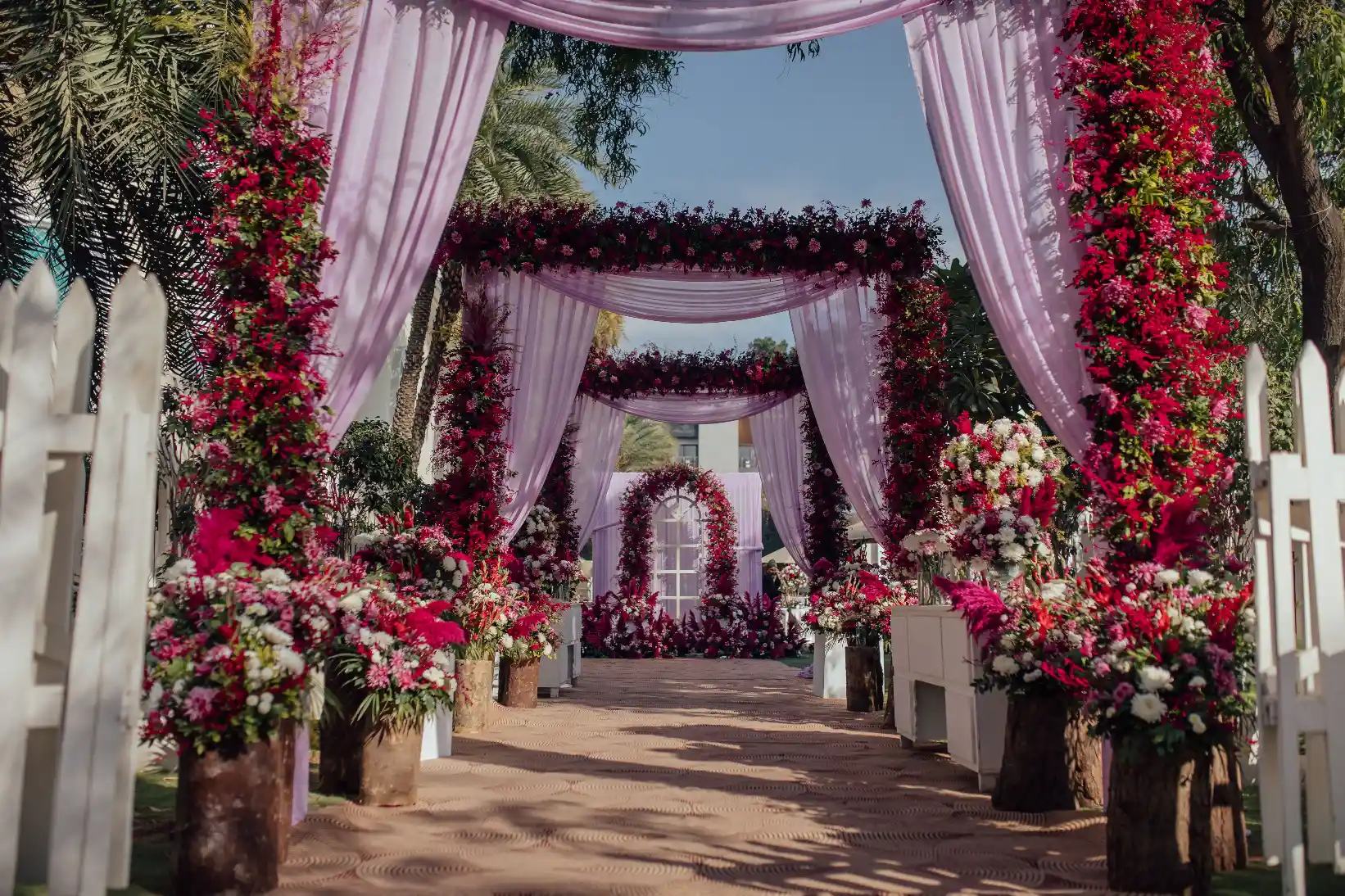
- Plan a few photo friendly spots, such as a floral wall, a swing or an archway.
Common Wedding Photography Mistakes to Avoid
1. Hiring only on price: A cheap package can turn costly if the photos are poor or deliveries are late.
2. Not checking full galleries: Highlight reels hide weak work.
3. Skipping the written contract: Verbal promises are hard to prove later.
4. Giving no shot list: Your photographer cannot guess every important relative or ritual.
5. Overloading the family photo list: Long lists tire everyone and delay the day.
6. Not allowing travel time: Moving between venues takes longer than planned.
7. Ignoring the venue lighting: Dim halls and strong coloured lights need planning.
8. Changing the schedule without telling the photographer: Always update the team.
9. Letting too many people direct the photographer: Choose one point of contact.
10. Forgetting to back up photos: Make sure your own copies are safe once you receive them.
Wedding Photography Package: What to Compare
When you collect quotes, put them side by side and compare these points, not only the price:
- Hours of coverage and events covered
- Number of photographers and assistants
- Candid and traditional coverage
- Pre wedding shoot included or not
- Number of edited photos
- Album, prints, frames and USB or online gallery
- Delivery timelines
- Travel, stay and food charges
- Drone or video add ons
- Overtime charges and cancellation terms
What Happens After the Wedding
- Sneak peeks: Many photographers share a small set of photos within days.
- Full gallery: Often delivered in 4 to 12 weeks. Review it carefully and share any corrections early.
- Album design: Choose your best photos and approve the layout before printing.
- Backups: Save a copy on a hard drive and in a cloud account.
- Reviews and thank you: Share feedback with your photographer. It helps them and future couples.
Planning Photography for a Destination Wedding
Destination weddings add extra things to plan, such as travel, weather and unfamiliar venues. Ask your photographer to scout the location in advance or study it on maps and past weddings. Keep extra time for travel days, and always plan a rain or low light backup for outdoor portraits.
If you are planning your wedding in Goa, an experienced wedding planner in Goa can coordinate the photographer's timings with the venue, decorator and guests, so that you get the best light and a stress free day.
Final Thoughts
Great wedding photos come from good planning, clear communication and a photographer who understands your style. Hire early, put everything in writing, share a simple shot list and leave enough time in the schedule. Then relax and enjoy your day.
Save this wedding photography checklist, share it with your partner and family, and tick off each step as you go. If you want help planning the full wedding, from venue to vendors, you can get in touch with the WedMyDay team.